What Pennsylvanians Across Party Lines Want from Their Local News
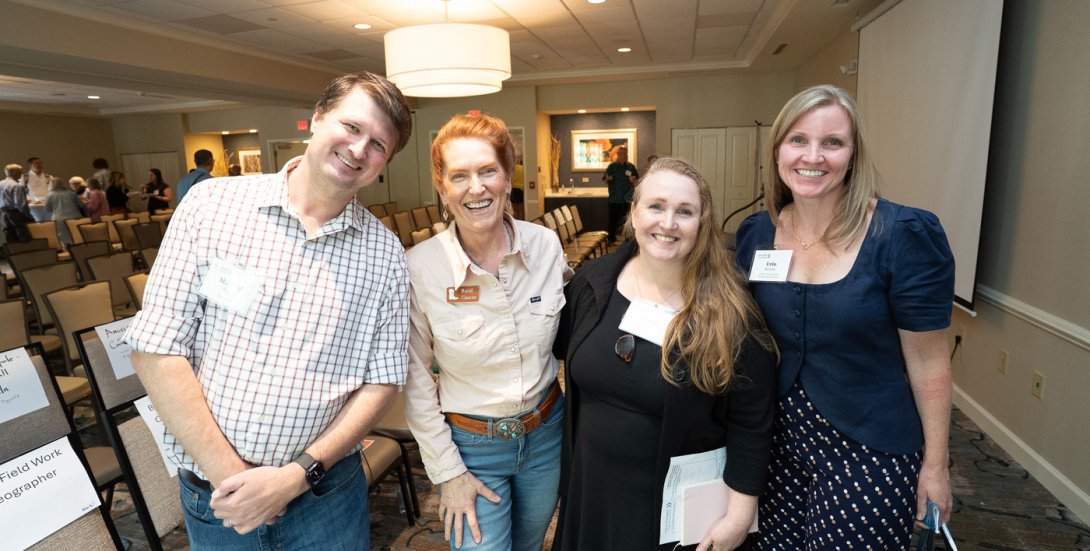
Press Forward PA Wilds Director Joy Vincent-Killian (second from left) and study co-author Fiona Morgan (third from left) at an event celebrating the release of Local News in the Pennsylvania Wilds.
Charles McClanahan
On Aug. 24, I drove to State College, Pennsylvania, for an event celebrating the release of Local News in the Pennsylvania Wilds, a report from the region’s chapter of Press Forward. Spearheaded by Press Forward PA Wilds Director Joy Vincent-Killian (and co-authored by Fiona Morgan, a consultant and former Free Press staffer), the report surveyed hundreds of people by meeting them where they were — in churches, diners, farmers’ markets and other community-gathering places — and asking them about their news-and-information needs. Building on similar projects like the Civic Information Needs Census, the study identifies the specific information needs and challenges in the area.
Meeting the information needs of rural residents
The PA Wilds region is made up of nine counties, and while State College is a dense urban center, those counties are mostly highly rural areas. Plenty of practitioners — including local radio and town newspapers — are doing crucial work to report on their communities. But rural areas are among those suffering the most from the local-news-and-information crisis. Corporate consolidation is fueled by large chains that don’t want to invest the resources to cover local government and events. Parts of the region lack access to reliable broadband. And even where internet access is widespread, social media fuels both polarization and disinformation.
Though local news might seem like an abstract subject, I was struck by how much people in these communities clearly wanted to talk about this. They shared plenty of detail about the specific issues they cared about, and what they wanted to know more about going forward: cuts to local libraries, data centers being built in the area and the region’s natural resources.
The findings made it clear that the need for stronger news and information wasn’t a partisan issue for people in the PA Wilds. Almost 30 percent of the survey respondents did not identify neatly with either major political party — a rate that’s even higher for residents in the more rural parts of the Wilds region.
As part of the survey, residents discussed issues they wanted better coverage of. And while some of those topics involved navigating political issues — like understanding changes in local policy and who was running in local elections — others were very basic topics that shape people’s daily lives. The quality of sidewalks and road crossings, ways to navigate traffic accidents, and hazardous pollution in the environment don’t care what political party someone belongs to.
Attendees at the launch event also crossed party lines. Pennsylvania State Reps. Scott Conklin and Paul Takac, both Democrats, spoke enthusiastically to press (and to me) about their interest in strengthening local news. Though they were unable to attend, two Republicans, U.S. Rep. Glenn Thompson and Pennsylvania State Rep. Kerry Benninghoff, both reiterated a commitment to ensuring residents are informed and have access to both local news and transparency about their local government.
On the drive back from State College, I saw how those concerns move from abstract problems to specific coverage at the offices of WVIA, a PBS affiliate covering other parts of Northeastern and Central Pennsylvania. WVIA Director of Public Affairs Julie Sidoni has been a champion for local news and information in the region. And WVIA does incredible reporting about critical issues for residents, like the rash of data centers popping up across the region or the resignation of a local county commissioner. But outlets like WVIA — along with smaller independent outlets statewide — need additional support to keep doing crucial work for their communities.
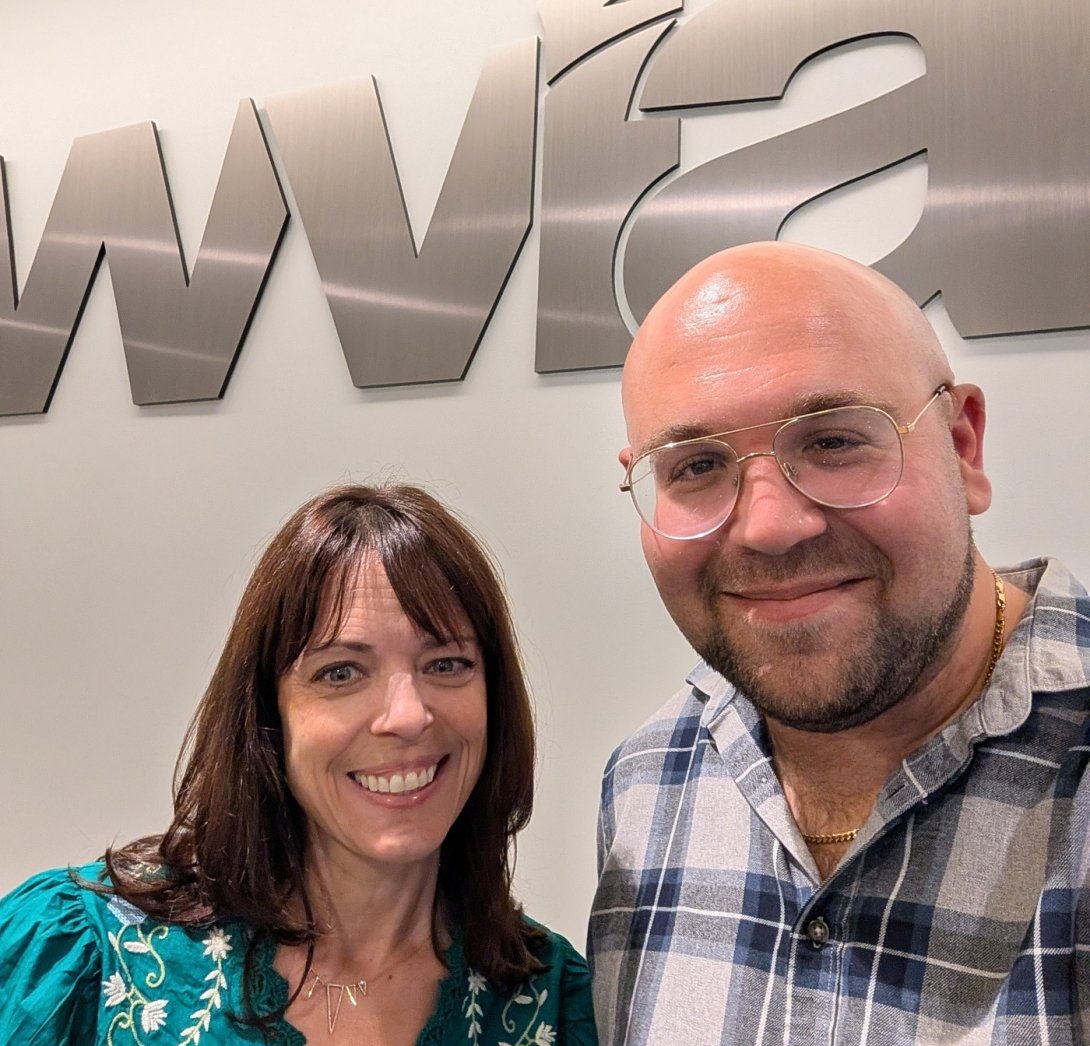
WVIA’s Julie Sidoni with the author
Charles McClanahan
Remedies for the local-news crisis
And there’s already an avenue for providing that support: two bills that are making their way through the Pennsylvania statehouse, and that Free Press Action has been championing. HB 2047 would establish a fellowship program placing early- and mid-career journalists into community newsrooms across Pennsylvania, including these underserved rural areas. This legislation would provide resources for people working in local news, and would create a foundation for those journalists to build trust in their communities. HB 2048 would establish the Pennsylvania Information Consortium, a body capable of making direct grants to support news-and-information projects in underserved communities throughout the state. This would build on the successful example of the New Jersey Information Consortium.
With these bills, Pennsylvania lawmakers have the opportunity to respond to exactly the types of concerns residents expressed in the Press Forward PA Wilds survey — to hear the people who shared their stories, and make sure they get the news and information they need.
****
Help Free Press Action keep fighting for stronger local journalism in Pennsylvania: Donate today.