How to Stop Billionaires from Hijacking Our Elections
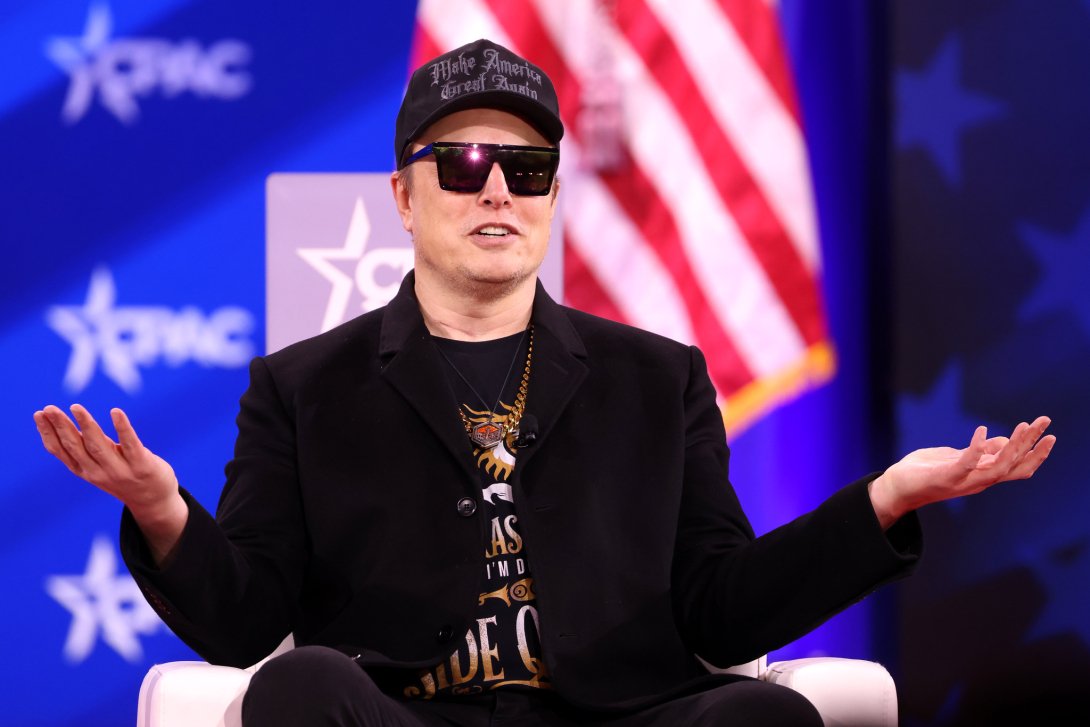
Elon Musk has contributed just shy of half-a-billion dollars to Republican-aligned political campaigns and Super PACs for the 2026 midterms.
Flickr user Gage Skidmore
There’s a drama playing out across American screens in 2026. But not the sort you might expect. There are villains and heroes, yes, high finance and political intrigue, too. There may even be a surprise ending — but we’ll have to wait until the Nov. 3 season finale to find out.
The actual plot, though, is not unfolding on television screens or streaming platforms but in corridors of political power and extreme wealth, far from public view. It’s a tale about the hijacking of U.S. elections by the world’s richest people.
According to the Federal Election Commission, as of early October a record-setting $16 billion and counting had been plowed into the 2026 midterm-election cycle. Hundreds of millions more have been added to that tally in the weeks since. Much of this money comes from the world’s richest oligarchs, many who built their unlimited wealth from ownership stakes in massive tech and media conglomerates.
Elon Musk has contributed just shy of half-a-billion dollars to Republican-aligned political campaigns and Super PACs for the 2026 midterms. That’s more than his total political contributions during the 2024 presidential election. With no limit on how much he can spend, Musk made the biggest electoral donation in American history — $158 million — to help one candidate (senatorial hopeful Ken Paxton of Texas).
Lesser known are the contributions lower-ranking multibillionaires have made : Mike Bloomberg, Reid Hoffman and George Soros have contributed a combined $227 million to Democratic-aligned campaigns; GOP election initiatives have received hundreds of millions of dollars from the likes of Marc Andreessen and Ben Horowitz ($92 million), Elizabeth and Richard Uihlein ($150 million) and Jeff and Janine Yass ($110 million).
Hundreds of millions more have found their way into the accounts of shadowy Super PACs that are not required to disclose their donors.
Musk millions for media manipulation
Most of this whopping cash infusion pays for political ads: The media-tracking firm AdImpact projects a record-breaking $11.6 billion of that $16 billion total — or approximately 73 percent of all political contributions — will buy ads on broadcast and cable-TV stations, radio outlets, streaming services and social-media platforms.
Viewers are left with little to help them separate fact from fiction before they head to the polls. That’s because the media outlets that serve up campaign spots have zero legal obligation to reject ads that peddle lies. While nearly half of this money goes to air political ads on broadcast outlets, the Communications Act of 1934 prohibits television and radio stations from censoring or editing candidate-sponsored ads, even when they know the content is false.
And while the Federal Communications Commission does require a degree of transparency regarding who paid for a given broadcast ad, it does not monitor or regulate the accuracy of an ad’s claims.
Since 2024, the owners of social-media platforms like Facebook, X and YouTube — which account for a growing piece of the ad-spending pie — have largely abandoned efforts to fact check the political ads that course across their networks.
The money-and-media-election complex
That’s a lot of data points to digest. But the information on political-ad spending leads to one disturbing conclusion: The bulk of money spent to manipulate and even misinform viewers flows back to media companies that many of the nation’s richest donors control. This cycle of money and influence is turning people away from meaningful political engagement, put off by the deluge of dishonest attack ads that will have aired hundreds of thousands of times before viewers become voters on Nov. 3.
It’s a toxic combination of ingredients that Free Press co-founders Robert W. McChesney and John Nichols called the “money and media election complex,” in which wealthy donors, giant corporations, politicians, regulators and corporate media align their interests against a public seeking to legitimately engage in democracy.
“The complex has tremendous gravitational power,” McChesney and Nichols wrote more than a decade ago, “which increases the degree of difficulty for those wishing to participate in elections in a manner not conducive to wealthy funders, corporate media or preservation of the status quo.”
So much for the idea that our news-and-information systems should foster the public exchange of diverse ideas that are the lifeblood of civic society. Instead we have a political system that’s beholden to billionaire donors, and a hyper-commercial media that are getting rich off keeping voters in the dark.
Media outlets must take their obligations more seriously. In exchange for First Amendment freedoms, they need to cover the money that’s poisoning our politics, expose the groups and individuals funding political ads and address the falsehoods presented in many of these spots. With little time remaining before the midterms, the time to do this reporting is now.
Right-sizing Big Media
Public policy must also address the media’s systemic failings. And while communications regulation may look fuzzy when viewed from 30,000 feet, at the ground level the consequences of bad rules and regulations come into sharper focus. Nowhere is this more evident than during elections.
The lack of adequate diversity and competition in media has encouraged industry owners to think of their outlets as profit-making machines with no obligation to disclose to viewers the political money and special interests that make them tick. And the lack of local reporters holding candidates to account — the consequence of runaway media consolidation in turn spurring newsroom cutbacks and closures — in many ways explains the rise of a class of politicians who spend more time wooing wealthy contributors than attending to the needs of voters back home.
This has created a dependency between those who control political power (and need access to the media to keep it) and those who control the media (and need access to political power to keep it). This cycle has gotten so toxic that instead of nurturing democracy and free speech, commercialized media today threaten to distort it.
These systemic remedies include making political ad-spending information easily available, including exposing the true funders bankrolling Super PACs. Such disclosure should happen in the body of the ads themselves. We must also get serious about strategies and policies that foster independent, local political journalism. Free Press Action has made a number of promising inroads here through state-level legislation to fund civic media.
And we need to right-size massive media conglomerates, using existing antitrust law and media-ownership limits while strengthening other rules that have been gutted at the urging of a powerful media lobby and far-too compliant lawmakers and regulators.
There’s a growing backlash against billionaire control of our political and media systems that could make these reforms possible.
The failures of corporate media have undercut the First Amendment goal of creating, in the words of the Supreme Court in 1969, an “informed public capable of conducting its own affairs.” True participatory democracy will have no chance at survival if we fail to insist on serious changes now.
****
Help Free Press keep holding media corporations accountable: Donate today.