What's Next in the Fight to Derail the Ellisons' Warner Bros. Takeover
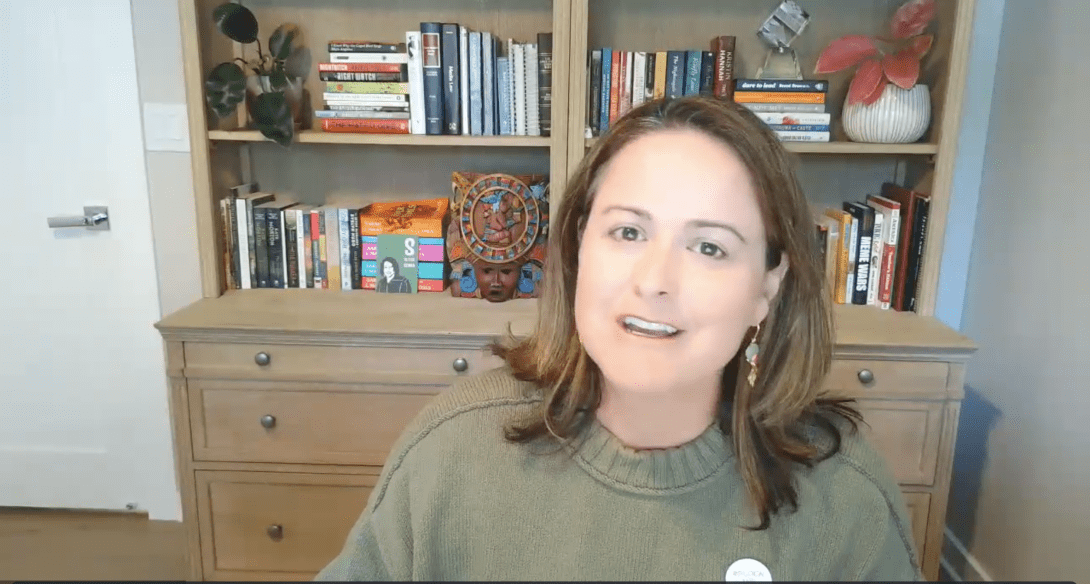
The author during a town-hall meeting on the merger with Attorneys General Rob Bonta and Letitia James
On July 13, 12 state attorneys general sued to block the proposed $111 billion merger between Paramount Skydance and Warner Bros. Discovery. California Attorney General Rob Bonta led the multistate lawsuit, joined by the attorneys general of Arizona, Colorado, Connecticut, Massachusetts, Minnesota, Nevada, New Jersey, New Mexico, New York, Oregon and Washington.
“The unlawful merger of these two entertainment behemoths would lead to higher prices, lower quality, and less content for film and television, harming movie theaters, basic cable distributors, and ultimately, audiences on every sofa and movie theater seat in the U.S.,” Bonta said in a statement announcing the lawsuit.
How we got here
Free Press has worked with incredible allies to drive opposition to this merger, which would create a media colossus with CBS, CNN, HBO, Nickelodeon and the Warner Bros. and Paramount film studios — among other major media properties — all under one roof. We’ve helped steward a broad coalition of First Amendment advocates, unions, consumer-rights groups, and Hollywood actors and directors.
Our research and analysis guided talking points against the merger, we drove protest billboards around the Oscars venue and Paramount’s studio, and even flew an airplane to protest the merger at CBS’ upfronts (a major event networks hold every year to woo advertisers). We helped frame and amplify a letter that more than 5,500 creatives signed in opposition to the deal.
That’s not it: We protested outside the Warner Bros. Discovery building in New York City and delivered hundreds of thousands of petitions to Bonta’s Los Angeles office calling on AGs to block the deal. We co-hosted a protest outside the Institute of Peace in Washington, D.C., where government corruption was on full display as Paramount Skydance CEO David Ellison celebrated Donald Trump while courting his administration’s approval for this massive deal.
The Trump DoJ ultimately looked the other way and waved the merger through as Ellison promised “sweeping changes” in CNN coverage to please Trump’s ego and serve his agenda. That left these state attorneys general to enforce the antitrust law that makes mergers illegal when they substantially lessen competition.
“President Trump and his cronies want to rush this anti-competitive deal through because David Ellison has demonstrated time and again that he will leverage his control of his media empire to silence Trump’s critics and amplify MAGA propaganda. That’s corruption, plain and simple,” I shared in our press release when news broke about the suit.
The states’ challenge means that this corrupt merger is far from a done deal. But we have a long road ahead and we must keep up the pressure to ensure that the AGs don’t cave to industry influence or cut special deals.
Paramount needs FCC approval
In June, the U.S. Department of Justice signed off on this merger, with officials ranging from President Trump to Defense Secretary Pete Hegseth cheering the day when the Ellisons would get hold of CNN — and start quashing reporting critical of the regime.
The only other federal hurdle pending is an FCC waiver of the agency’s foreign-ownership rules. The Ellisons have welcomed a huge influx of money from Abu Dhabi, Qatar and Saudi Arabia to back their offer for Warner Bros. Discovery. FCC regulations limit foreign ownership to no more than 25 percent of companies that hold broadcast licenses, but these three nations — which, like the Trump administration, each have a record of abusing press freedoms — would own a collective 49.5 percent of the merged company.
Even though adding Warner Bros. to its enormous portfolio wouldn’t bring any new broadcast licenses to Paramount Skydance, it already owns several CBS stations around the United States. The injection of cash from these three regimes would tip the conglomerate’s entire ownership balance — not just the Warner Bros. properties in the current sale. We expect FCC Chairman Carr to waive the rule any day now.
Paramount might try to close the deal despite a pending antitrust case
In preparation for such a move, the AGs have sought a preliminary injunction to block Paramount from proceeding with the merger, asking the court to grant the motion by July 22. The court has set a hearing for July 17 and is likely to take anywhere from hours to weeks to rule.
To win an injunction, parties in any suit must demonstrate that:
- They are likely to prevail on the merits of their case;
- They will suffer irreparable harm or loss without the injunction;
- The harm suffered would outweigh any hardship caused to the opposing party by the injunction; and
- The injunction is in the public interest.
In April, AG Bonta and a separate but overlapping cast of AGs won a similar request for injunctive relief in an antitrust lawsuit seeking to block Nexstar’s acquisition of Tegna, which would create a local-broadcasting behemoth reaching 80 percent of U.S. households. The court relied on many factors, including a declaration from Free Press showing that allowing the merger to proceed would “significantly reduce the quality and amount of local news, eliminate diverse viewpoints, and reduce Nexstar’s incentive to invest in robust coverage of local political, social, and cultural issues.”
Paramount will seek to dismiss the case
The court will probably reject this request. From there, the case is likely to proceed in regular order. Parties will make motions, discovery will happen, parties will try the case, the court will make a decision and then parties may appeal that decision. This is all pretty standard, and can take years.
Paramount still hopes to close the deal by September
Paramount is still telling investors that it plans to close the deal by September, lawsuits be damned. But the path is not that simple. The AGs’ lawsuit puts the company’s wish list and preferred timeline into serious jeopardy.
And if Paramount fails to close the deal by the end of September, it has to start paying a “ticking fee” to Warner Bros. to the tune of approximately $7 million per day — or $650 million per quarter. That will add up, even for David Ellison’s billionaire daddy and the cadre of monied interests that are leveraging the massive debt load for this deal.
Paramount will pressure interested parties to cut deals and sell out the cause
With this shot clock quickly going into the red, best believe that Paramount has already started ramping up pressure on various industry players and government officials to make special deals. Indeed, at Monday’s press conference AG Bonta suggested that Paramount threatening to leave the state over the lawsuit is a “desperate effort” and a “last-ditch attempt to blackmail my office” and bully the state into letting an illegal merger go through.
Other tactics could include offers to sell off portions of the empire, or to bring a certain amount of filming to certain states, or to offer a whole variety of alluring but totally unenforceable promises to fracture the big, bold coalition we’ve built over the past nine months.
That’s why it’s crucial that we stick together, that we keep up the pressure and that we remain courageous in our fight to block the merger. We deserve something better than bigger and bigger media conglomerates — and we can have it if we hold the line here and show other entities thirsting for mergers that we aren’t giving up a diversity of media voices without a fight.
We can win if we remain united
On July 14, I joined AGs Bonta and Letitia James and coalition partners in a town-hall meeting about why the AGs brought the lawsuit, what the stakes are and what’s next in this fight. The AGs explained, in great detail, why they brought the case, noted the strong likelihood of success and unpacked what it means for our economy and democracy. Stay tuned to Free Press to learn our next steps to #BlocktheMerger — and watch the town hall below.
Help Free Press keep fighting to block this dangerous deal: Donate today.